National Women’s Embroidery Design
First Impressions: Grace, Not Gimmick
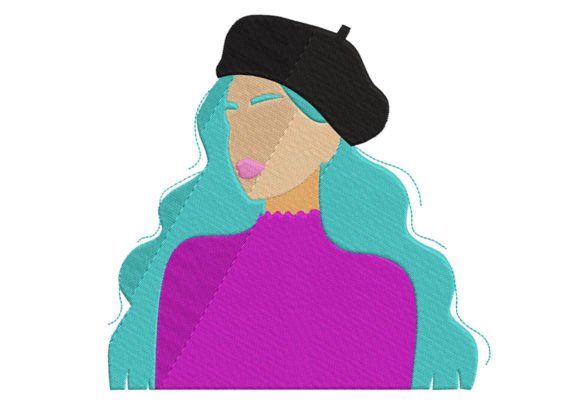
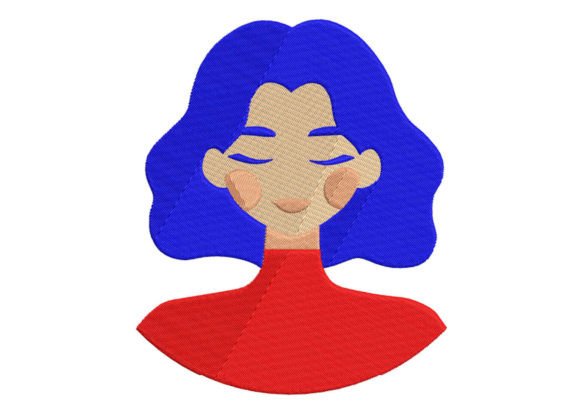
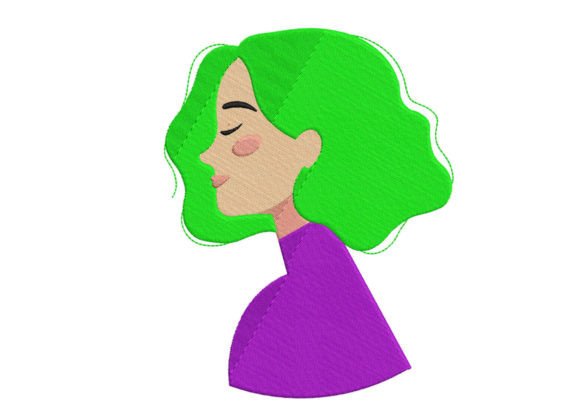
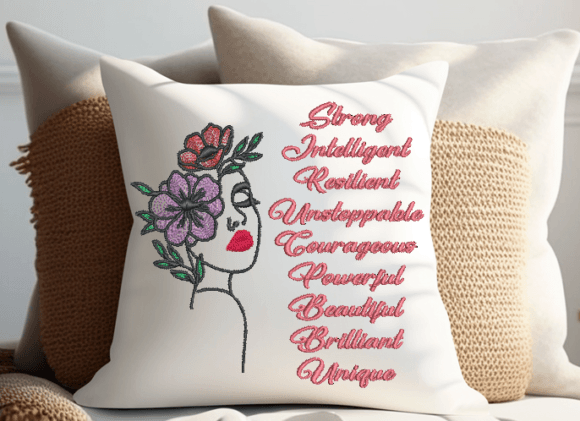
When I opened the National Women’s Embroidery Design, what struck me wasn’t just the “Elegant Lady with Flowers” motif—it was how quietly confident it felt. No over-the-top flourishes, no forced sentimentality. Just a poised silhouette framed by soft botanical curves—roses, maybe lavender sprigs—and subtle negative space that breathes. This isn’t a shout-it-from-the-rooftop design. It’s one you’d choose for a handmade apron in a boutique kitchen shop, or a linen pillow cover meant to sit beside a well-loved armchair—not because it screams “womanhood,” but because it holds space for it.
A Real Project Test: The Tote Bag That Got Ordered Twice
Last week, I stitched the National Women’s Embroidery Design onto a heavyweight natural canvas tote for a local women-led co-op pop-up. We placed it centered on the front panel, 4.5 inches tall, using medium-weight cutaway stabilizer and matte cotton thread. The result? Crisp satin-stitched petals, clean fill-stitch drapery in the gown, and zero puckering—even across the bag’s slightly uneven weave. Customers paused. One asked, “Is that custom?” Another said, “It feels like it belongs there, not just *on* it.” That’s the quiet power of this machine embroidery design: it enhances the object instead of competing with it.
Where It Shines (and Where It Asks for Care)
This National Women’s Embroidery Design excels in projects where dignity and tact matter most:
- Personalized gifts: Embroidered on tea towels, baby onesies, or silk scarf hems—its balanced proportions scale down gracefully without losing legibility.
- Small business merchandise: Perfect for boutique-branded aprons, ceramic mug sleeves, or limited-run sweatshirt collections tied to Mother’s Day or National Women’s Day initiatives.
- Digital product sellers: Works beautifully in printable mockups—especially layered over neutral linen or oatmeal-toned fabric swatches. Its moderate stitch density renders cleanly in both light and dark fabric previews.
But don’t rush it onto every surface. I tested it on a lightweight rayon-blend tee—too much give, too little support. The satin-stitched flower centers blurred slightly at the edges. On curved caps? Not ideal without significant digitizing tweaks—the lady’s profile doesn’t wrap cleanly. And while the floral accents read well on light fabric, I’d recommend testing thread colors carefully on charcoal or navy; some inner fill stitches can recede if contrast is low.
What You’ll Notice After Stitching—Not Just Before
Stitch clarity holds up remarkably well after washing—provided you use quality stabilizer and avoid aggressive dryer heat. I ran a test piece through three gentle cycles: minimal fraying, no distortion in the gown’s drape lines, and the flowers retained their soft definition. That matters for Etsy sellers listing embroidered baby items or kitchen towels meant for real use. It also builds customer trust: when your finished product looks as refined after day 30 as it did on day one, buyers remember your craft business for reliability—not just prettiness.
The design’s visual personality supports brand consistency, too. It doesn’t force a theme—it invites one. Pair it with minimalist typography for a modern small shop product line, or layer it beside hand-lettered quotes for wedding gift sets. Its strength lies in adaptability, not rigidity.
Practical Designer Notes—No Guesswork Allowed
Before stitching your first National Women’s Embroidery Design into a client project or inventory batch, do these five things:
- Test on scrap fabric that matches your final substrate—especially if using textured weaves, knits, or blends.
- Check thread color contrast in natural light *and* under warm bulb lighting—subtle tonal shifts affect perceived depth in the floral elements.
- Review stitch density visually in your embroidery software. If fill areas look overly dense, consider adjusting underlay or reducing density by 5–7% for breathable fabrics.
- Confirm hoop size compatibility. While the design fits standard 5x7 hoops comfortably, verify clearance for your machine’s throat space—especially when embroidering on bulky sweatshirt yokes or folded pillow covers.
- Inspect small details at 200% zoom: petal tips, hairline contours, and stem junctions. If any running stitch outlines feel thin or fragile, reinforce them manually before production.
For Sellers, Makers, and Creative Entrepreneurs
If you’re an Etsy seller or handmade shop owner, this National Women’s Embroidery Design is a thoughtful addition—not a trend-chaser. It aligns naturally with Mother’s Day gifting, but its tone avoids cliché, making it viable year-round for curated collections: self-care bundles, artisan subscription boxes, or wellness-themed apparel lines. As a digital embroidery file, it performs well in listings with clear usage notes (“ideal for cotton, linen, midweight denim”) and realistic mockups—not stock photos with impossible lighting.
And for commercial embroidery shops: yes, it works for custom apparel, but prioritize placements where the design’s grace has room to land—center chest on crewnecks, lower back on relaxed-fit tees, or full-panel on oversized totes. Avoid cramming it into tight corners or alongside busy prints. Let it breathe.
Final Thought: Design With Intention, Not Just Occasion
The National Women’s Embroidery Design doesn’t need a holiday to justify its presence. It earns its place through restraint, balance, and quiet craftsmanship—qualities that resonate whether you’re stitching a single personalized gift or scaling a craft business. Use it where elegance matters more than volume, where handmade presentation meets real-world durability, and where the message isn’t shouted—but felt.