Embroidery for Mother’s Day
A Designer’s Real-World Review Before Seasonal Launch
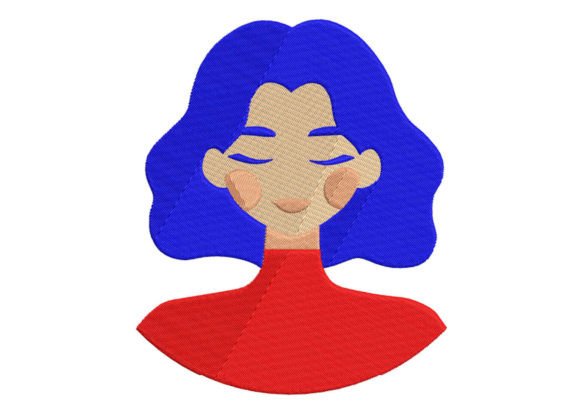
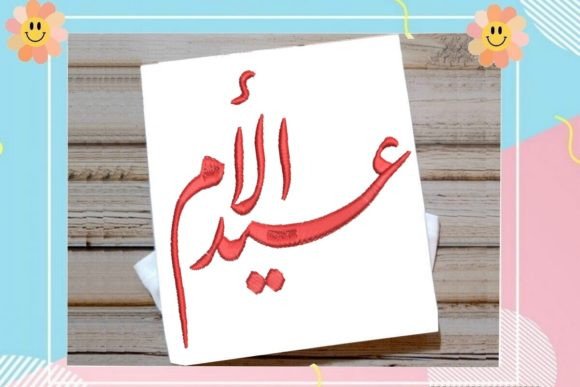
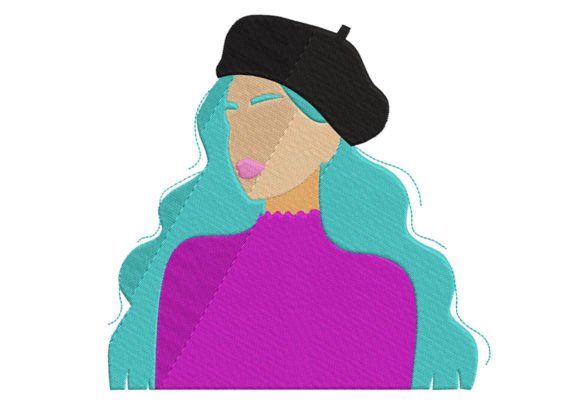
As an embroidery designer who’s built 12+ holiday collections for Etsy sellers, craft fairs, and small apparel studios, I approach Embroidery for Mother’s Day not as a decorative flourish—but as a functional, emotionally resonant product component. The first impression? Threaded Tenderness delivers exactly what the name promises: a soft, intentional mood—neither overly ornate nor minimal to the point of sterility. It reads as elegant yet approachable, with gentle curves, balanced negative space, and a warmth that leans into cozy and romantic—not flashy or kitschy. That emotional tone is critical: Mother’s Day shoppers aren’t browsing for novelty; they’re seeking sincerity, connection, and quiet reverence.
Where This Design Shines in Holiday Product Strategy
Embroidery for Mother’s Day works exceptionally well across high-demand seasonal categories—especially when paired with thoughtful execution. On sweatshirt embroidery, its moderate stitch density holds beautifully on midweight fleece without puckering, and the design scales cleanly for both adult and youth sizes. As a tote bag design, it anchors the front panel without overwhelming—ideal for gift bundles (think: tote + scented candle + handwritten note). For kitchen towel embroidery, the layout accommodates standard towel hems and folds, and the motif reads clearly even when viewed from across a room—key for craft fair displays where visual recognition drives impulse buys.
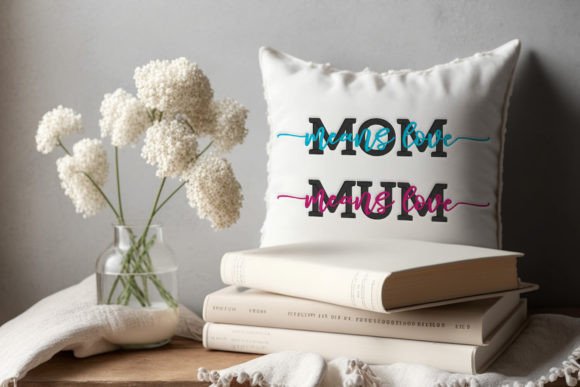
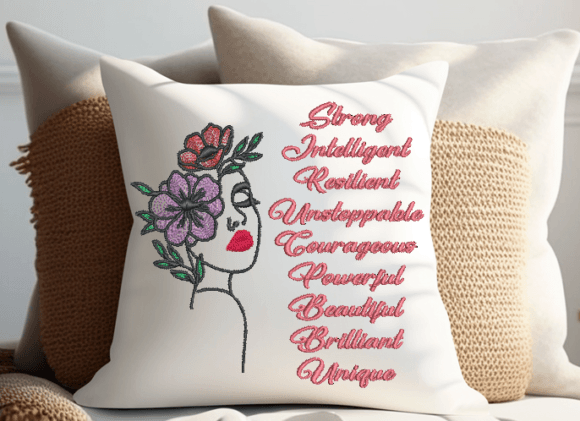
It also translates gracefully to pillow covers, aprons, and table linens, supporting cohesive home decor drops. As an embroidered patch, it’s clean-lined enough for iron-on backing (with proper stabilizer), making it viable for DIY kits—a fast-growing segment among handmade gift makers. And yes—it performs well in social media previews: the composition centers easily in Instagram carousels and Pinterest pins, and its tonal subtlety photographs consistently across lighting conditions—no overexposure or lost detail in printable mockups.
Real-World Considerations: Where Caution Applies
This isn’t a “drop-in-and-stitch” file for every substrate. Use Embroidery for Mother’s Day thoughtfully on thick towels—test stitch density first; excessive underlay can stiffen fabric and mute texture. On dark fabric, avoid default white thread without testing contrast—some lettering or fine stems may disappear without a subtle tone-on-tone alternative. With metallic thread, proceed only after verifying commercial licensing: metallics demand slower speeds and tighter tension control, and not all digital embroidery files are optimized for them.
Steer clear of curved caps unless you’ve confirmed the design fits within standard cap hoop constraints—its flow suggests it was drafted for flat or gently contoured surfaces. Likewise, avoid stretchy garments like ribbed knits without added cutaway stabilizer and reduced stitch density; delicate loops or layered details could distort during wear or washing. And while it’s lovely on baby onesies, double-check tiny elements (e.g., floral centers or script flourishes) at actual size—small hoop sizes may require simplification for clarity and durability through repeated laundering.
How This Design Strengthens Your Seasonal Positioning
In holiday selling, Embroidery for Mother’s Day lifts perceived value without inflating production cost. Its refined aesthetic signals premium handmade gift status—critical for Etsy sellers competing against mass-produced alternatives. When bundled (e.g., embroidered pillow cover + matching tea towel), it builds brand consistency and encourages higher cart values. Customers trust designs that feel intentional, not algorithm-generated—and this one reads as human-crafted, with breathing room and tactile rhythm.
Emotionally, it meets shoppers where they are: honoring love without cliché. That builds customer trust during high-intent periods—when buyers are comparing dozens of “mom” listings, subtle authenticity cuts through noise. Visually, it supports strong product mockups and printable promotional graphics, reinforcing your shop’s seasonal identity across email, social, and in-person booths. And because it avoids dated trends (no glitter fonts, no overused icons), it retains shelf life—usable year after year with fresh color palettes and fabric pairings.
Practical Designer Notes Before You Stitch
- Test thread colors on both light and dark fabric—especially if offering multi-option listings. A single design can read completely differently depending on thread hue and fabric base.
- Check stitch density before scaling up or down. High-density fills may need thinning for lightweight linens; low-density areas may need additional underlay on terry cloth.
- Confirm hoop size compatibility with your most-used machines—and verify whether the file includes multiple hoop versions (e.g., 4x4", 5x7") for flexibility.
- Use proper stabilizer for each application: tear-away for stable wovens, cutaway for knits, and heavy-duty cutaway for thick towels or structured patches.
- Create realistic mockups using actual fabric swatches—not just white backgrounds—to preview how light interacts with thread sheen and texture.
- Review small details after stitching: tiny stems, fine script lines, or inner loops should be legible and secure after trimming and washing simulation.
- Plan matching color palettes across your collection—e.g., sage + cream + terracotta threads echo natural, grounded energy that aligns with modern Mother’s Day gifting.
- Confirm commercial licensing before selling finished products. If your shop offers ready-to-ship embroidered goods, ensure the digital embroidery file permits resale of physical items—not just personal use.
Ultimately, Embroidery for Mother’s Day isn’t just another holiday embroidery—it’s a quietly strategic tool. It balances artistry and function, emotion and execution, seasonality and longevity. For Etsy sellers building curated collections, crafters launching limited-edition apparel, or small shops designing personalized gifts, this machine embroidery design earns its place—not because it’s pretty, but because it works: for the stitcher, the wearer, and the shopper searching for something true.