Easter Day Bunny Sequin Faux Embroidery
A Seasonal First Impression: Playful, Festive & Gift-Ready
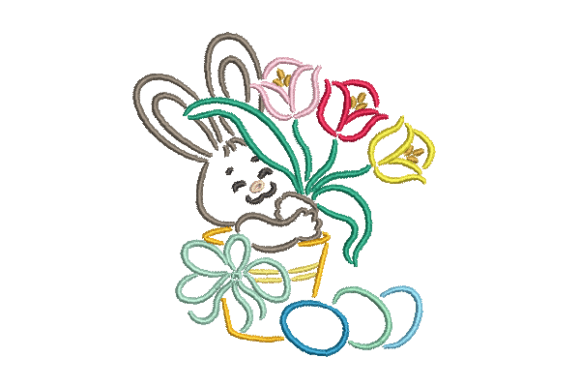
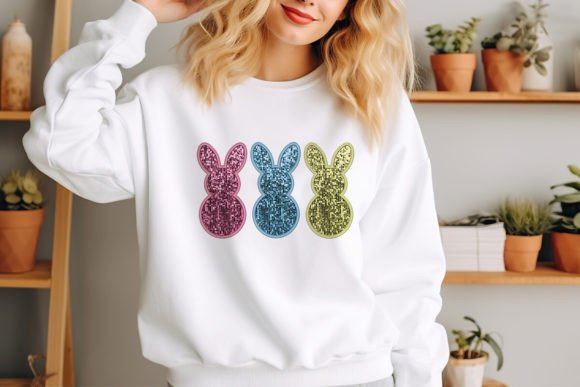
As an embroidery designer who’s built six holiday collections for Etsy sellers and craft fairs, my first glance at Easter Day Bunny Sequin Faux Embroidery landed right where it should: cheerful without being cloying, detailed without sacrificing stitchability. It reads as playful and festive—not overly spiritual or minimalist, but not cartoonish either. The “faux sequin” effect suggests shimmer and dimension, which translates beautifully to sweatshirt embroidery, tote bag design, and pillow cover applications. There’s a gentle nostalgia in the bunny’s pose and rounded lines—think spring picnics, Easter egg hunts, and family brunches—not commercial mass production. That emotional tone matters: shoppers buying handmade gifts during Easter aren’t just purchasing decor; they’re investing in warmth, tradition, and soft celebration. This design delivers that quietly.
Real-World Holiday Performance: From Mockup to Marketplace
In my seasonal shop planning, Easter Day Bunny Sequin Faux Embroidery shines across high-demand categories. On kitchen towel embroidery, its scale and texture pop against linen or cotton terry—ideal for gift bundles with matching aprons or embroidered patches. As a tote bag design, it holds up well in natural light (great for Instagram previews) and reads clearly from three feet away—critical for craft fair displays. For pillow covers and wall art, the faux sequin illusion adds perceived value without requiring actual sequins (a huge win for production speed and wash durability). And yes—it works on baby onesies and toddler sweatshirts when scaled thoughtfully, supporting family matching items without overwhelming delicate fabric.
For Etsy sellers, this is a strong digital embroidery file candidate: it’s versatile enough to support multiple listings (T-Shirt Designs, Graphics, home decor), yet distinctive enough to stand out in search results for “Easter embroidery” or “bunny machine embroidery design.” Its visual recognition is immediate—no squinting required—which boosts click-through on social media previews and printable mockups. When bundled with coordinating pastel thread palettes or digital printables (like Easter tags or gift box liners), it elevates perceived brand consistency and customer trust during peak holiday shopping periods.
Where to Use It Thoughtfully—Not Everywhere
Even the strongest seasonal embroidery needs boundaries. Easter Day Bunny Sequin Faux Embroidery isn’t ideal for tiny hoop sizes under 4x4 inches—fine details like whiskers or sequin highlights risk stitching inaccuracies. Avoid applying it to thick, dense towels unless you’ve tested stabilizer layers thoroughly; the faux sequin effect relies on surface definition, and heavy fabric can mute that lift. On dark fabric, confirm thread colors hold contrast—especially for inner highlights—before finalizing your commercial embroidery run. Metallic thread? Skip it here. The design’s charm lies in soft texture, not shine-on-shine overload.
Also proceed with caution on stretchy garments (like ribbed knit tees) and curved caps—stitch density may shift unpredictably without precise digitizing adjustments. And while it’s lovely on table linens, remember repeated washing will soften the “faux sequin” illusion over time; recommend cold wash/delicate dry in product descriptions for long-term gifting appeal.
How It Shapes Seasonal Appeal & Buyer Emotion
This isn’t just another bunny graphic. Easter Day Bunny Sequin Faux Embroidery taps directly into giftability: it feels special enough for a grandmother’s Easter basket, gentle enough for a newborn’s coming-home outfit, and stylish enough for a modern hostess’s apron. That emotional range expands your small shop product reach—from kids’ apparel to adult home goods—without diluting seasonal focus. Buyers recognize it instantly as “Easter,” not generic spring, which strengthens visual recognition during short holiday windows. And because it leans into tactile charm (not flat vector simplicity), it supports higher perceived product value—justifying premium pricing on finished product listings.
Crucially, it builds customer trust: when your Etsy listing shows realistic mockups—not just clipart—and your embroidered patch samples reflect clean, balanced stitch density, buyers believe your craftsmanship. That belief converts faster during holiday rushes, when shoppers prioritize reliability over novelty.
Practical Designer Notes Before You Stitch
- Test thread colors on both light and dark fabric swatches—especially for subtle highlights in the faux sequin zones.
- Confirm hoop size compatibility before digitizing adjustments; some versions may require 5x7 or larger for full detail fidelity.
- Use cutaway stabilizer for sweatshirt embroidery and tear-away for lighter fabrics like pillow covers or tea towels.
- Review stitch density in tight areas (ears, paws) before bulk production—overly dense fills can cause puckering on delicate knits.
- Create realistic mockups using actual fabric textures—not just white backgrounds—to showcase how the design interacts with real-world materials.
- After stitching a sample, inspect small details under natural light: do whiskers read clearly? Does the “sequin” texture lift as intended?
- Plan a cohesive matching color palette—soft mint, buttercream, lavender, and warm taupe extend the design’s versatility across apparel and home goods.
- Verify commercial licensing terms before selling finished seasonal products. This design is intended for small business use, but always double-check scope—especially for resale on platforms like Etsy or Amazon Handmade.
Remember: the best holiday embroidery doesn’t just look festive—it performs. Easter Day Bunny Sequin Faux Embroidery does both, when paired with intentional execution. Whether you’re launching a limited-edition Easter drop or building your first seasonal collection, this machine embroidery design earns its place—not as filler, but as a thoughtful, emotionally resonant anchor.