Easter Embroidery Bunny Wind Spinner
First Impression: Festive, Whimsical & Spring-Ready
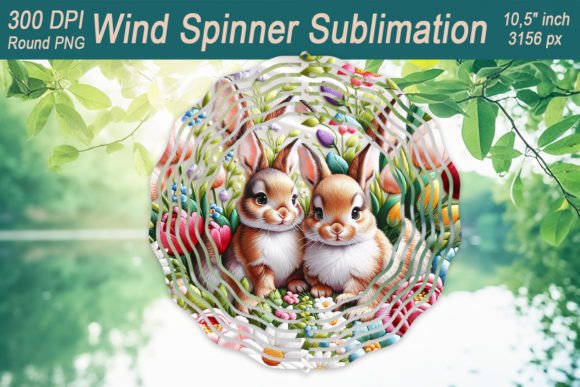
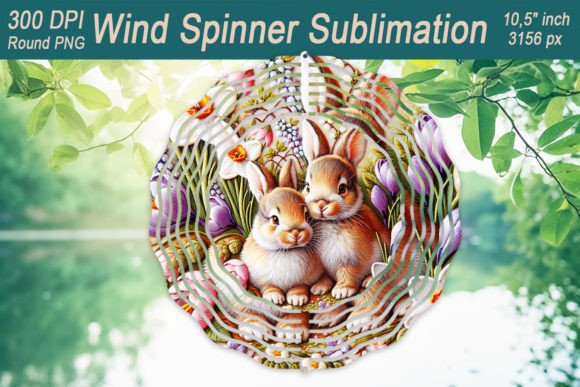
As an embroidery designer who’s prepped over 200 craft fair booths—from snowy holiday markets to sun-drenched spring fairs—I opened Easter Embroidery Bunny Wind Spinner.png expecting charm. What I got was immediate visual lift: a playful, rounded bunny silhouette with implied motion (wind spinner energy), soft curves, and clear Easter spirit without being cutesy or dated. It reads as festive, whimsical, and quietly farmhouse-friendly—a rare balance that works for both modern boutiques and rustic handmade shops. The title hints at movement and seasonality; the description confirms it’s built for spring displays, not just Easter Sunday.
Where This Design Shines on Craft Fair Products
Easter Embroidery Bunny Wind Spinner.png isn’t a one-size-fits-all motif—it’s a mood-setter. On tote bag designs, it anchors beautifully centered near the bottom hem or scaled up as a bold back panel. Its 10.5" square footprint gives generous real estate for clean stitching, especially on medium-weight canvas or linen-cotton blends. As apron embroidery, it lands perfectly on the lower front pocket or chest panel—large enough to read from three feet away, but not so dominant it overwhelms functional fabric.
For tea towel embroidery, this design sings. The open negative space around the bunny allows towel texture to show through, while the shape holds integrity even on terry cloth or waffle weave—just use tear-away + cut-away stabilizer combo. As an embroidered patch, it’s highly adaptable: heat-seal backing works well, and its clean outline ensures crisp edges after washing. On pillow covers and small pouches, I recommend scaling down to 6–7 inches—still legible, still charming, and far more production-efficient than full-size repeats.
What Buyers Notice First (and Why It Sells)
Craft fair shoppers scan fast. They’re drawn to rhythm, contrast, and emotional resonance—not technical specs. Easter Embroidery Bunny Wind Spinner.png delivers all three: the circular motion implies joy and renewal; the bunny’s gentle posture feels calming, not chaotic; and its balanced proportions create instant visual harmony. At booth level, it stands out among crowded tables because it’s distinctly seasonal but not time-bound—it reads “spring” more than “Easter-only,” extending shelf life beyond March 31st.
When used on handmade gifts like embroidered market bags or linen napkin sets, it elevates perceived value. Customers associate clean, intentional design with care—and this file feels intentionally composed, not clip-art assembled. For Etsy sellers and small shop products, that translates directly into higher conversion: buyers see craftsmanship, not just decoration.
Production Reality Check: Stitch Density, Scale & Surface
This is where experience matters. While Easter Embroidery Bunny Wind Spinner.png looks deceptively simple, its wind-spinner wrap concept introduces subtle curve complexity. In machine embroidery, tight arcs demand precise stitch spacing and consistent tension—especially if stitched on curved surfaces like caps. I strongly advise testing on scrap fabric first, using your exact thread colors and stabilizer stack.
Avoid dense fill areas on thick fabrics (like denim aprons) unless you’ve verified stitch density won’t cause puckering. On dark fabric, confirm thread contrast—light pastel threads may disappear unless paired with white underlay. And be mindful of tiny details: though the PNG is 300 DPI, any fine interior lines or whisker-like accents will blur below 4" scale. That means Easter Embroidery Bunny Wind Spinner.png performs best as a medium-to-large focal design, not a subtle border or corner accent.
Texture matters too. On heavily textured tea towels or burlap pouches, simplify by removing inner details in your embroidery software—or opt for satin-stitch outlines only. Always check hoop size compatibility before digitizing: a 10.5" design requires at minimum a 12" x 12" hoop, and many home machines max out at 8" x 12". Confirm your commercial embroidery setup can accommodate it—or plan to split the design across two hoops (not ideal for wind-spinner continuity).
Smart Workflow Tips for Sellers & Designers
- Test before batch production: Run one sample on each target fabric—canvas tote, cotton apron, terry towel—to assess drape, stitch definition, and stabilizer hold.
- Create at least one real mockup: Photograph it on a finished product in natural light. This informs your Etsy listing visuals and booth signage.
- Compare fabric colors: A mint-green bunny on cream linen reads differently than on charcoal grey canvas—adjust thread palette accordingly.
- Verify commercial licensing: Since this is a digital embroidery file sold as a Graphics asset, confirm whether the license permits resale of finished embroidered goods. Don’t assume.
- Use the right stabilizer: Medium-weight cut-away for stable fabrics; tear-away + wash-away for delicate linens; fusible for patches.
Final Verdict: A Booth-Ready Spring Asset
Easter Embroidery Bunny Wind Spinner.png isn’t just another Easter graphic—it’s a versatile, emotionally resonant craft fair product engine. It strengthens booth display cohesion, invites customer engagement (“Oh, that’s so spring!”), and supports repeatable, high-quality handmade product output. When paired with thoughtful execution—smart scaling, fabric-aware stabilizing, and authentic thread choices—it becomes more than decoration. It becomes brand language. For embroidery business owners, Cricut and embroidery crafters, and creative entrepreneurs building a seasonal inventory, this design earns its place in your spring lineup—not as filler, but as a focal point with staying power.