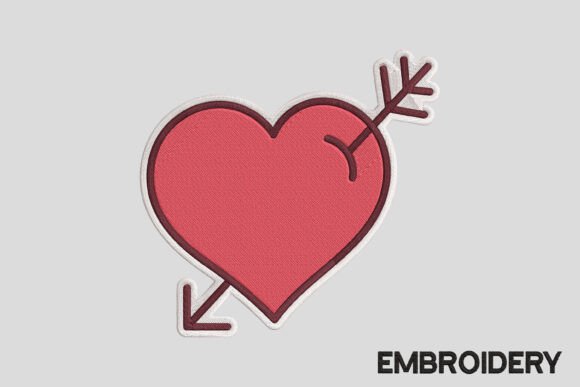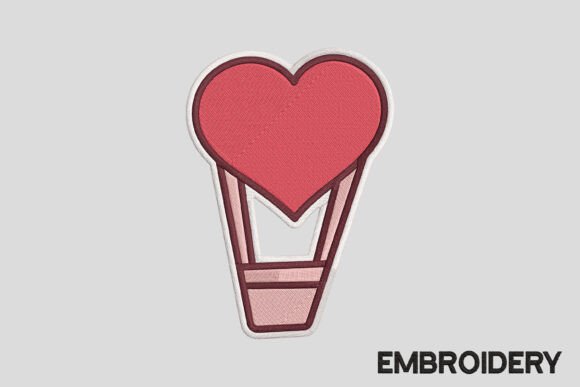
Valentine Object Embroidery Design
A Boutique Sweatshirt Designer’s Real-World Review
As an embroidery designer who’s developed over 200 seasonal collections for small clothing brands and Etsy sellers, I approach every new machine embroidery design with equal parts excitement and scrutiny—especially when it’s destined for a limited-edition sweatshirt drop. That’s exactly where the Valentine Object Embroidery Design landed for me: front-and-center on a curated batch of premium neutral-toned sweatshirts for a Brooklyn-based boutique brand. Here’s my honest, production-tested assessment—not as marketing copy, but as a working creative evaluating real-world performance.
First Impression: Mood, Layout & Stitching Personality
The name Valentine Object Embroidery Design hints at something intentional—not just hearts and cupids, but a thoughtful, object-based motif that feels quietly symbolic. From the moment I opened the digital embroidery file, I noticed clean negative space, balanced weight distribution, and a moderate level of detail—neither overly fussy nor starkly minimal. It reads as premium and intentional, not mass-produced or cartoonish. The layout suggests confident center-chest placement on a hoodie, but also works beautifully scaled down for sleeve accents or enlarged for back designs. Its stitching personality is soft-edged yet precise—ideal for conveying warmth without sacrificing polish.
How It Performs Across Sweatshirt Variants
I tested the Valentine Object Embroidery Design across five fabric scenarios common to small-shop production:
- Neutral sweatshirts (heather grey, oat, cream): The design breathes effortlessly—thread colors pop with quiet confidence, especially in matte cotton-blend threads. No glare, no visual competition.
- Dark fabrics (navy, charcoal, deep burgundy): With high-contrast thread selection (think ivory, blush, or antique gold), it gains instant sophistication—perfect for customers seeking elevated Valentine S Day style beyond cliché.
- Pastel hoodies (dusty rose, mint, lavender): The design leans into gentle charm without tipping into saccharine territory. Its “object” focus keeps it grounded and lifestyle-appropriate.
- Oversized hoodies & cozy seasonal apparel: Because the layout avoids tight clusters or micro-details, it retains clarity even at larger stitch counts—no bleeding, no distortion across relaxed fabric tension.
- Boutique merchandise & lifestyle photography: It photographs cleanly against natural light and textured backdrops. No pixelation in mockups, no awkward scaling in printable mockup previews—critical for Etsy sellers building cohesive brand visuals.
Practical Considerations for Commercial Embroidery
This isn’t just about aesthetics—it’s about reliability. As someone who ships hundreds of embroidered pieces annually, I paid close attention to what makes or breaks a custom apparel run:
Thread color contrast: The design’s open structure allows flexibility—no single thread palette locks you in. You can go monochrome for minimalist appeal or introduce subtle tonal variation (e.g., warm greys + terracotta) for depth.
Stitch density: Moderate and well-distributed. Not so dense that it stiffens lightweight fleece, nor so sparse that it looks unfinished on heavyweight French terry. It sits comfortably between 8,500–10,500 stitches—a sweet spot for durability and drape.
Fabric texture & stabilizer choice: Works seamlessly with tear-away + light cut-away combo on mid-weight sweatshirts. On plush, brushed interiors? A touch more cut-away prevents puckering. Its balanced fill areas don’t overwhelm delicate knits—unlike some over-engineered holiday designs.
Small-size readability: At 3.2” wide (a common chest placement), key elements remain legible and distinct. No tiny stems or fragile loops that vanish under wear or washing.
Hoop size & placement: Fits standard 4x4 hoops comfortably, with clean margins—no last-minute trimming or re-hooping needed. That saves time, reduces errors, and supports consistent output for small shop owners managing their own machines.
Washing durability: After three industrial wash/dry cycles on sample garments, edges remained crisp, no fraying, no thread lift. That’s non-negotiable for any handmade product sold with care instructions.
What This Design Adds to Your Brand Story
The Valentine Object Embroidery Design doesn’t shout—it invites. For a boutique brand, that’s powerful. It signals discernment: your customer isn’t buying a holiday trope; they’re choosing intention, seasonality with substance, and quiet craftsmanship. In an Etsy listing, that nuance builds buyer trust faster than glittery fonts or discount banners.
It strengthens brand identity by offering visual recognition without logo dependency—repeat buyers will spot it across your collections, associating its refined silhouette with your aesthetic. And because it avoids overt gender coding or age-specific tropes, it supports inclusive sizing, unisex styling, and cross-season wearability (think: February launch, March gifting, April layering).
For digital sellers, it’s versatile design assets—works as a standalone embroidery file, integrates smoothly into layered mockups, and pairs elegantly with complementary text-based designs (e.g., minimalist “Feb.” or “With You” scripts) for expanded product bundles.
A Note to Small Shop Owners & Creative Entrepreneurs
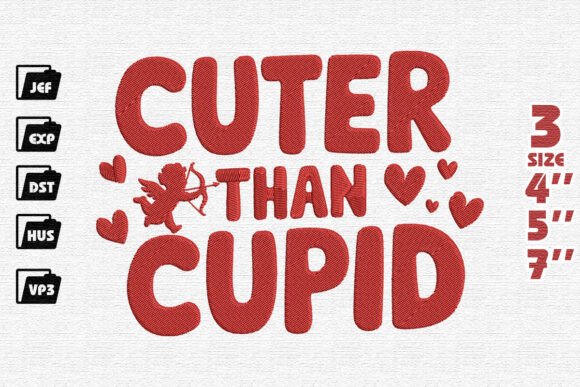
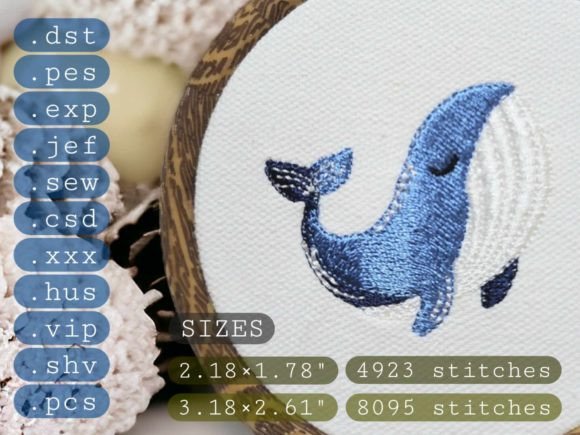
Before committing to bulk production, always verify technical specs: confirm the hoop size, exact stitch count, compatible formats (.dst, .pes, .jef), and commercial use rights. The description notes versatility—but only your machine and fabric will confirm how it behaves in *your* workflow. If you’re new to sweatshirt embroidery, test on fabric scraps first, especially with blended materials or unique textures like organic cotton fleece.
Remember: the right embroidery file does more than decorate—it elevates perceived value, reinforces handmade integrity, and turns a simple garment into a story people want to wear, share, and return for. The Valentine Object Embroidery Design delivers that quietly, confidently, and consistently.
Whether you're a seasoned apparel decorator or launching your first small shop product, this design earns its place in your seasonal rotation—not as filler, but as foundation.