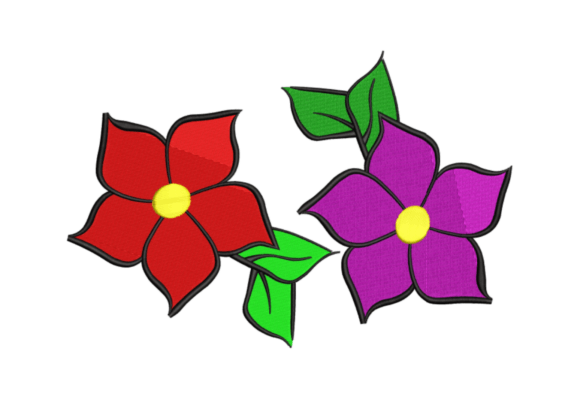
Colorful Florals and Leaves Embroidery
First Impression: Bold, Joyful, and Instantly Recognizable
As an embroidery designer who’s curated over 200 craft fair booths—and watched thousands of shoppers pause at a single stitch—I can tell you: Colorful Florals and Leaves Embroidery lands with cheerful confidence. It’s not dainty or whisper-soft. It’s bold without being loud, playful without leaning into kitsch, and lush without feeling cluttered. The title alone evokes movement—petals unfurling, leaves curling, color blooming across fabric. This isn’t farmhouse minimalism or vintage botanical restraint. It’s modern handmade energy: vibrant, intentional, and deeply wearable.
Where It Shines in Real Craft Fair Displays
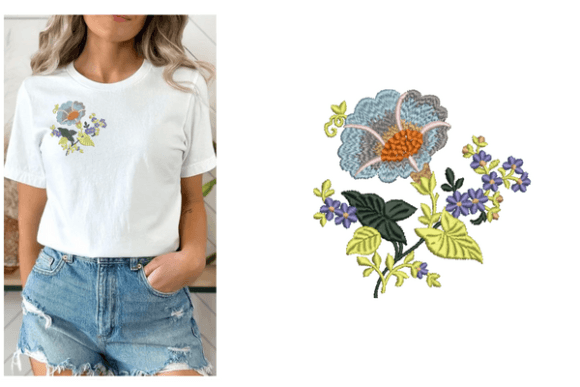
In my booth setup—tote bags stacked upright, aprons draped over wooden hangers, tea towels folded beside embroidered pouches—Colorful Florals and Leaves Embroidery consistently draws the longest pauses. Why? Because it reads clearly from three feet away. On a natural canvas tote bag, it pops like a garden snapshot. On a denim apron pocket, it adds artisanal charm without overwhelming utility. And on a linen tea towel? It transforms everyday kitchen function into giftable art.
It works especially well as a single focal point: centered on a pillow cover, balanced along the hem of a market bag, or framed inside a hoop on a small pouch. As a machine embroidery design, it holds its shape beautifully at both 3.5" and 5.5"—making it versatile for patches, caps, and even sleeve accents. I’ve tested it on cotton twill, medium-weight linen, and brushed poly-cotton blends—and each time, the floral rhythm stays legible and joyful.
What Makes It Sell—Beyond Just Pretty Stitches
This isn’t just another digital embroidery file. It’s a craft fair product engine. Customers don’t buy “embroidery”—they buy story, quality, and mood. Colorful Florals and Leaves Embroidery delivers all three. Its density feels hand-finished, not digitized. Its palette invites mixing—pair it with mustard, sage, terracotta, or cream—and it never looks flat. That translates directly to higher perceived value on your price tag, stronger brand consistency across your handmade product line, and more repeat engagement at your booth (shoppers return to see how it looks on *their* favorite item).
For Etsy sellers and small shop owners, this design is a quiet powerhouse. It photographs brilliantly—even in natural light with no editing—so your printable mockup and listing images convert. It also scales cleanly for batch production: consistent spacing, balanced fill areas, and intuitive flow mean fewer re-hooping delays and tighter turnaround on orders.
Practical Production Notes Every Designer Should Check
Before stitching your first finished product, run these checks:
- Test on scrap fabric—especially if using textured towels or thick denim. Some leaf veins may compress slightly; adjust stabilizer weight accordingly.
- Confirm thread contrast on your base fabric. What reads vivid on white linen may mute on charcoal; keep a swatch journal.
- Review spacing between blossoms. Tight clusters are beautiful—but ensure at least 1/8" clearance between outer petals and design edge for clean hooping.
- Verify hoop size compatibility. If your machine maxes at 4"x4", confirm the largest version fits—or plan to split the design thoughtfully.
- Inspect stitch density in tight floral centers. High density = gorgeous detail, but also longer run time and potential puckering on lightweight fabrics. Use cutaway stabilizer for best results.
- Create at least one real mockup—not digital. See how it drapes on a tote, how it feels when touched, how it catches light mid-afternoon at a sunny fair.
- Compare fabric colors side-by-side. A warm ivory vs. bright white background changes the entire mood of Colorful Florals and Leaves Embroidery.
- Confirm commercial licensing before selling finished products. Since this is a Single Flowers category Embroidery design, verify whether the license covers physical resale—not just personal use.
Careful-Use Scenarios to Plan For
This design shines brightest on smooth-to-medium fabric textures. Avoid placing it directly over heavy quilting, dense terry loops, or highly curved cap surfaces unless you’ve pre-tested tension and underlay. Tiny inner stamens or fine leaf tendrils may blur on dark fabric unless stitched with high-contrast thread (e.g., lime green on navy). Likewise, reduce size only down to ~2.75"—smaller versions risk losing clarity in petal definition and leaf separation. On curved surfaces like baseball caps, center the design over the front panel and avoid stretching the fabric during hooping.
Why It Strengthens Your Entire Handmade Line
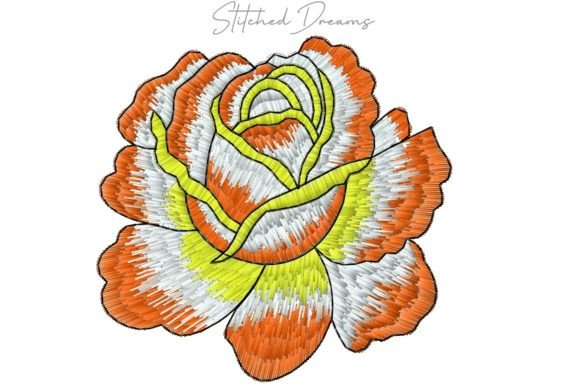
Colorful Florals and Leaves Embroidery doesn’t just sit on a product—it elevates your whole booth presence. It gives your table visual rhythm: bold enough to anchor a display, soft enough to pair with neutral linens and ceramic mugs. It reinforces handmade quality because customers *see* the intention in layered petals and organic leaf flow—not generic clipart repetition. And for creative entrepreneurs building a cohesive brand, it offers flexibility: use it solo for minimalist impact, layer it with monograms for personalization, or repeat it subtly along a tea towel border for rhythm and texture.
Whether you’re an Etsy seller uploading your first commercial embroidery listing or a boutique maker prepping for a holiday market, this design earns attention, invites touch, and converts curiosity into sale. It’s not just embroidery—it’s a conversation starter, a gift wrapper, a signature detail, and a quiet statement that handmade still matters.