Birdie on a Branch Embroidery Design
A Seasonal Designer’s First Impression
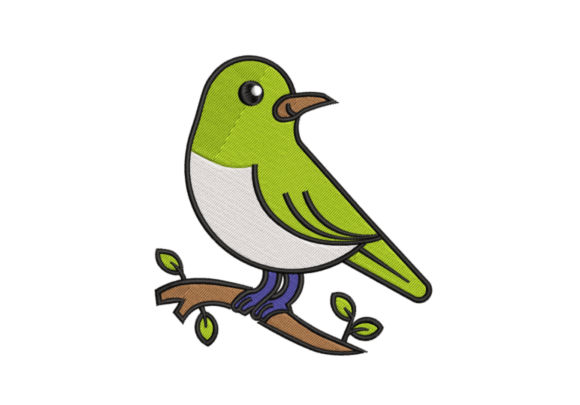
As an embroidery designer who builds collections around real holiday rhythms—Thanksgiving gatherings, cozy winter mornings, spring baby showers, and Easter brunches—I opened Birdie on a Branch Embroidery Design with clear intent: does it feel like something people will *choose* to give, wear, or display during emotionally charged moments? The answer is yes—immediately. The cheerful expression, fluffy tail, and leafy green branch create a warm, uplifting mood that reads as both playful and timeless. It’s not overly festive like glittery Santas or candy canes, nor is it starkly minimalist. Instead, it lands in that sweet spot: nostalgic yet fresh, rustic enough for farmhouse decor but refined enough for boutique apparel. Its colorfulness invites customization—swap thread palettes to match Easter pastels, autumn ochres, or winter berry tones—and its organic shape feels hand-tended, not mass-produced.
Where This Design Shines in Holiday & Seasonal Product Lines
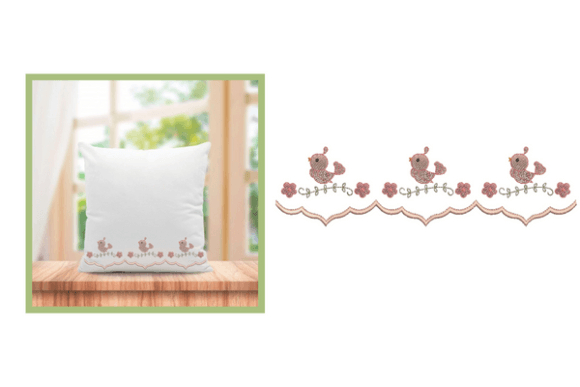
Birdie on a Branch Embroidery Design thrives across high-intent holiday categories. On sweatshirt embroidery, it adds personality without overwhelming—ideal for family matching sets (think “Mom,” “Dad,” “Bird Watcher” in coordinating fonts). As a tote bag design, it turns everyday carry into a conversation starter at craft fairs or farmers’ markets. For kitchen towel embroidery, the leafy branch subtly nods to harvest season while keeping things light and joyful. Pillow covers and aprons become instant heirloom-adjacent pieces—soft, giftable, and quietly meaningful. As an embroidered patch, it works beautifully on denim jackets or backpacks for back-to-school or spring break. And on ornaments or small pillow covers? It delivers charm at scale without sacrificing clarity. Etsy sellers will find it especially strong in gift bundles: pair it with a handwritten tag (“For the Bird Lover in Your Life”) and a linen drawstring bag for instant perceived value.
Real-World Engagement Boosters
- Social media previews: The bird’s expressive face translates well in Instagram Reels and Pinterest pins—no caption needed to convey warmth or whimsy.
- Printable mockups: Works cleanly on flat-lay product shots of tea towels, baby onesies, or framed hoop art—making seasonal listings feel cohesive and intentional.
- Limited edition apparel: When stitched on oatmeal-colored sweatshirts or sage-green canvas totes, it signals thoughtful curation—not trend-chasing.
- Personalized gifts: Add a monogram or date below the branch for baby milestones, anniversaries, or teacher appreciation—without crowding the core design.
Where to Use Birdie on a Branch Embroidery Design Thoughtfully
This machine embroidery design is versatile—but not universal. Avoid using it on extremely small hoop sizes (under 3” diameter) where the bird’s fluffy tail or leaf details may lose definition. Tiny lettering added nearby risks visual competition; keep text minimal or place it separately. On thick, textured fabrics like heavy terry cloth kitchen towels, confirm stitch density isn’t too high—dense fills can cause puckering or stiffness. Dark fabric demands careful thread color testing: some bright greens or yellows may mute unless paired with high-contrast underlay. Metallic thread? Possible for subtle wing highlights, but test first—metallics increase breakage risk on fine branches. Stretchy garments (like ribbed knit tees) require lightweight stabilizer and possibly reduced density to prevent distortion. Curved caps are not ideal—the branch’s natural arc doesn’t adapt well to crown curvature. And for items facing repeated washing (baby bibs, kids’ napkins), verify the embroidery file uses secure satin and fill techniques—not just outline stitches.
How It Elevates Seasonal Appeal & Buyer Trust
Holiday shoppers don’t just buy products—they buy feeling, memory, and intention. Birdie on a Branch Embroidery Design supports that psychology effortlessly. Its gentle energy makes finished products feel personal, not promotional. That builds customer trust: when someone sees this design on your Etsy shop banner *and* stitched onto your best-selling pillow cover, they recognize consistency—not randomness. Visually, it creates instant brand recognition across categories: same bird, different context (tote → ornament → apron), same emotional tone. That cohesion increases engagement during peak shopping windows, when buyers scroll fast and decide based on mood alignment. Plus, because it avoids dated trends or narrow holidays, it extends shelf life—usable from Easter through Mother’s Day, summer garden parties, and even early fall porch decor.
Practical Designer Notes Before You Stitch
- Always test thread colors on both light and dark fabric swatches—especially greens and yellows that shift dramatically under lighting.
- Review stitch density before production runs—adjust if needed for fabric texture or intended use (e.g., lower density for baby items).
- Confirm hoop size compatibility with your target products—don’t assume it fits standard 4x4 hoops without checking the actual embroidery file dimensions.
- Use appropriate stabilizer: cutaway for knits, tear-away for stable wovens, and fusible + tear-away for towels or napkins.
- Create realistic mockups—not just digital renders, but stitched samples on your actual production fabrics.
- Inspect small details after stitching: check feather definition, branch taper, and eye clarity—especially at smaller scales.
- Plan matching color palettes across your seasonal line—let the bird’s plumage inspire coordinating thread kits or product bundles.
- Verify commercial licensing terms before selling finished seasonal products—this is essential for Etsy sellers and small shop owners using digital embroidery files.