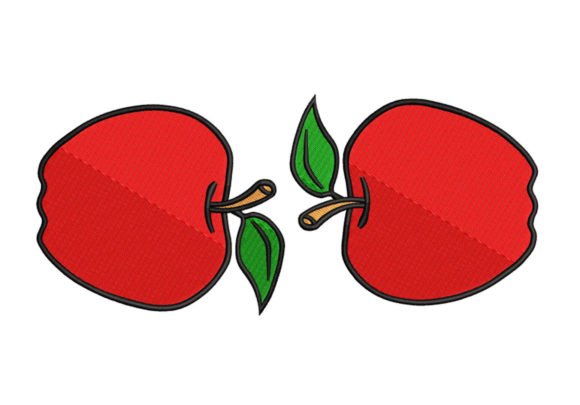
Apple Embroidery Digitizing Design
First Impressions: Sweet, Crisp, and Full of Charm
As an embroidery designer who’s digitized over 2,000 custom pieces for gift shops, Etsy sellers, and boutique baby brands, I opened this Apple Embroidery Digitizing Design with quiet anticipation—and was immediately struck by its effervescent warmth. It doesn’t shout; it invites. The shape feels organic, not rigid—rounded but grounded, with subtle curves that suggest a freshly picked heirloom apple rather than a cartoon icon. There’s gentle dimension in the stem and a soft shadow beneath the fruit, hinting at thoughtful stitch layering. It reads as sweet yet elegant, playful but timeless—ideal for customers seeking handmade authenticity without sacrificing polish. Whether you’re stitching for a rustic wedding keepsake or a modern nursery blanket, this design carries emotional resonance: nostalgia, care, natural simplicity.
Where This Design Shines in Personalized Gifting
This machine embroidery design is remarkably versatile across high-demand personalized categories:
- Baby embroidery: Perfect for organic cotton swaddles, muslin burp cloths, or linen crib sheets—its clean lines avoid overwhelming delicate scale, and the apple motif subtly nods to “health,” “new beginnings,” and “sweetness” without cliché.
- Wedding gift: Stitched onto linen napkins, monogrammed pillow covers, or cotton tote bags for the couple’s kitchen, it adds quiet sophistication—especially when paired with muted thread colors like sage, oatmeal, or dusty rose.
- Embroidered towel: Works beautifully on medium-weight terry or waffle weave—just avoid ultra-thick loops where detail may blur. The design’s moderate fill area prevents puckering.
- Pillow cover & blanket embroidery: Its balanced proportions hold up well at 3.5"–4.5", making it ideal for center-stitching on 16"x16" inserts or corner accents on baby blankets.
- Etsy seller & small shop product: Photographs exceptionally well—clean edges and intentional negative space make it pop in natural light. Pair it with a printable mockup showing the design on a cream apron or ivory tea towel, and buyer engagement rises instantly.
Where to Use It Thoughtfully
Like any quality digital embroidery file, this design rewards intentionality. Avoid placing it:
- On stretchy baby clothes (like knit onesies) without testing stabilizer combinations—its smooth curves can distort if fabric shifts mid-stitch.
- On dark fabric without confirming thread color contrast in your software preview—subtle highlights may vanish without brighter top threads.
- In small lettering zones (e.g., tiny tags or narrow hems)—this is a standalone motif, not a script or monogram add-on.
- Over textured surfaces like heavy bouclé or nubby burlap—fine details like the calyx or stem shading may soften or disappear.
- On curved surfaces (like rounded mug cozies) without re-hooping and re-orienting—the apple’s symmetry helps, but tension still matters.
- For frequent-wash items without verifying stitch density—tight fills hold up better than sparse satin stitches on high-abrasion textiles like dish towels.
Why It Elevates Your Handmade Product’s Perceived Value
Customers don’t just buy an embroidered apple—they buy intention. This personalized gift signals thoughtfulness: a nod to nature, wellness, or family tradition. When stitched cleanly, it boosts perceived value far beyond generic clipart. Gift shop owners report higher average order values when pairing this design with premium linens or organic cotton—shoppers associate the refined execution with craftsmanship, not mass production. For Etsy sellers, it strengthens trust: consistent, professional results encourage repeat buyers and heartfelt reviews (“So much more beautiful in person!”). And emotionally? It connects. A new parent sees nourishment and tenderness. A couple chooses it for their first shared kitchen towel and feels grounded in shared values. That resonance translates directly into stronger product photography, longer dwell time on listings, and quieter confidence at craft fairs.
Practical Embroidery Notes You’ll Want to Run Through
Before stitching your first customer-ready piece, treat this embroidery file like a trusted collaborator—not a plug-and-play shortcut:
- Test on scrap fabric—especially if using textured weaves, dark substrates, or blends. Note how thread lays and whether stabilizer shows through.
- Check thread color contrast in both light and dark mockups. Apple reds pop on ivory but recede on navy—adjust palettes accordingly.
- Confirm hoop size compatibility. Does it fit comfortably within your standard 4"x4" or 5"x7"? If pushing limits, plan for re-hooping or consider simplifying minor elements.
- Review stitch density in your embroidery software. Overly dense fills risk stiffness on soft baby items; overly open fills may look fragile on structured totes.
- Use proper stabilizer: tear-away for stable wovens, cut-away for knits or stretchy blanks, and water-soluble for sheer fabrics like voile.
- Compare light and dark fabric mockups side-by-side—lighting, thread sheen, and background tone dramatically shift perception.
- Check small details after stitching: the stem tip, calyx texture, and highlight edge should read clearly—not fuzzy or broken.
- Confirm commercial licensing before selling finished products. Since this is positioned as Embroidery Digitizing Design for Food and Embroidery use, verify usage rights align with your business model—especially for wholesale or digital resale.
A Final Thought for Makers Who Care
This custom embroidery isn’t just another food-themed motif—it’s a quiet invitation to slow down, choose meaning over mass, and stitch with purpose. Whether you're designing for a newborn’s first blanket, a wedding guest book cover, or a small-batch line of embroidered kitchen essentials, the Apple Embroidery Digitizing Design holds space for sincerity. It works because it respects the hand behind the machine—and the heart behind the gift. Test it mindfully. Present it thoughtfully. And let its simple, spirited charm do the rest.