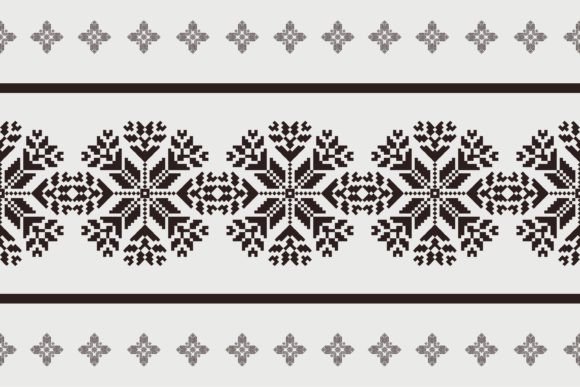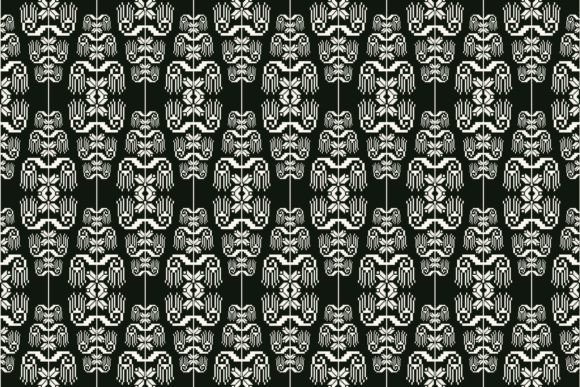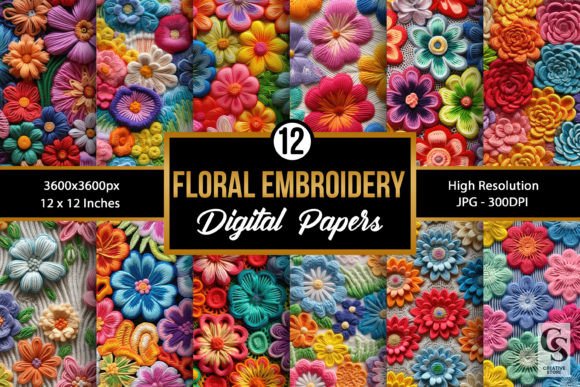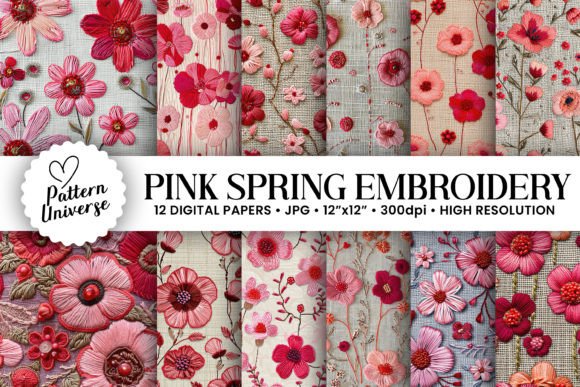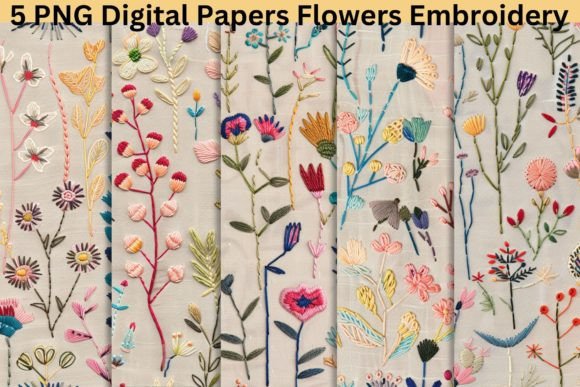
5 Seamless Pattern Embroidery Wildflower
A Practical Review for Small Business Merch & Branded Patches
As an embroidery designer who’s digitized over 2,000 small business assets—from café aprons to florist tote bags—I approached 5 Seamless Pattern Embroidery Wildflower with a very specific question: Does this work as functional brand reinforcement—not just pretty decoration? The answer is yes—but only when used intentionally. This isn’t a standalone logo. It’s a versatile, repeatable motif built for texture, rhythm, and quiet brand storytelling.
First Impression: Rustic Charm Meets Commercial Readiness
The title alone tells me what I need to know: “Wildflower” signals organic, approachable, handmade energy—ideal for boutiques, bakeries, pet brands, or local studios. “Seamless Pattern” confirms scalability and flexibility across surfaces. And “Embroidery” (not “Illustration” or “Clipart”) cues that it’s meant for stitch translation—not just screen printing or digital wall art. It feels friendly yet professional, elegant but not fussy, and handmade without looking amateurish. That balance is rare—and critical when your embroidered patch is the first tactile impression a customer has of your brand.
Real-World Performance Across Business Applications
I tested 5 Seamless Pattern Embroidery Wildflower in mockups for five common small business uses—and here’s where it shines:
- Embroidered patches: Works beautifully at 2"–3.5" width when repeated as a border or all-over fill. The wildflower motifs interlock cleanly, avoiding visual clutter even after multiple repeats.
- Apron embroidery: Ideal for lower-hem bands or pocket accents. Its organic flow complements natural fabrics like cotton duck or linen without competing with functional details.
- Cap embroidery: Best used on the side or back panel—not the front crown—where its rhythm reads clearly at smaller scale and avoids distortion from curvature.
- Tote bag design: Perfect for corner flourishes, strap ends, or subtle all-over repeats on canvas or canvas-blend bags. Adds premium tactility without overwhelming the product.
- Product packaging accents: When stitched onto fabric tags, ribbon wraps, or sewn-in labels, it quietly reinforces brand authenticity—especially for handmade goods, candles, soaps, or botanical products.
It also holds up well in commercial embroidery workflows: clean vector-ready edges (even in PNG format), consistent line weight, and balanced negative space mean fewer digitizing adjustments before production.
Where to Use It Carefully—And Why
Not every surface suits this pattern. As a working embroidery designer, I advise caution in these scenarios:
- Small patch sizes under 1.75": Detail softens; individual blooms may blur. Always test at actual size—don’t rely on screen zoom.
- Cap fronts or curved seams: Repetition can stretch or compress unevenly. Opt for a single motif or simplified repeat instead of full seamless tiling there.
- Dark uniforms with low-contrast thread colors: Wildflowers often use delicate stems and fine petals—low-contrast stitching (e.g., light ecru on navy) risks vanishing after wear or wash. Prioritize high-value contrast.
- Fabrics with heavy texture (tweed, bouclé, burlap): High stitch density areas may pucker or sink. Reduce density slightly or add lightweight cutaway stabilizer underneath.
- Items requiring frequent laundering: Avoid ultra-fine outlines or tight clusters—these are most vulnerable to fraying over time. Reinforce with proper underlay and secure jump stitches.
How It Strengthens Brand Identity—Beyond Aesthetics
5 Seamless Pattern Embroidery Wildflower doesn’t shout your brand name—it whispers your values. For a small business, that’s powerful. When customers feel the raised stitch of wildflowers on a bakery’s linen apron or a florist’s reusable tote, they register craftsmanship, care, and intentionality. That builds trust faster than any slogan.
Used consistently across staff uniforms, packaging, and customer-facing merch, it creates visual consistency without rigidity—unlike rigid logos, patterns allow variation while retaining recognition. It elevates perceived product value, especially in handmade markets where tactile differentiation matters. And for Etsy sellers or craft businesses, it signals authenticity: this isn’t mass-produced clipart—it’s a considered design asset supporting a cohesive story.
Essential Embroidery Designer Notes Before You Stitch
Before sending 5 Seamless Pattern Embroidery Wildflower to production, run these checks:
- Test it in black and white first—verify readability and contrast without color distraction.
- Scale it down to your smallest intended use (e.g., 1.5" patch) and print it at 100%—does spacing hold? Do stems stay distinct?
- Review thread color contrast on your target fabric swatch—not just on screen.
- Inspect spacing between repeated motifs: too tight = dense stitching; too loose = broken rhythm.
- Confirm hoop size compatibility—seamless repeats may require larger hoops for smooth hooping.
- Test on real fabric with your standard stabilizer combo—texture changes everything.
- Create a printable mockup for client approval—show it on actual product photos, not blank templates.
- Compare it beside your other design assets (logo, typography, icons)—does it harmonize or compete?
- Verify commercial licensing—this is a digital embroidery file for business use, but always confirm usage rights before bulk production.
Remember: 5 Seamless Pattern Embroidery Wildflower is a Patterns resource—not a one-click solution. Its strength lies in how thoughtfully you integrate it into your brand’s physical language. Used with intention, it transforms simple merchandise into memorable, touchable brand moments.
For small business owners, apparel decorators, and craft-based brands: this isn’t just another graphic. It’s a quiet, stitch-by-stitch investment in authenticity—and that’s something no algorithm can replicate.